Aeration & Soil Health
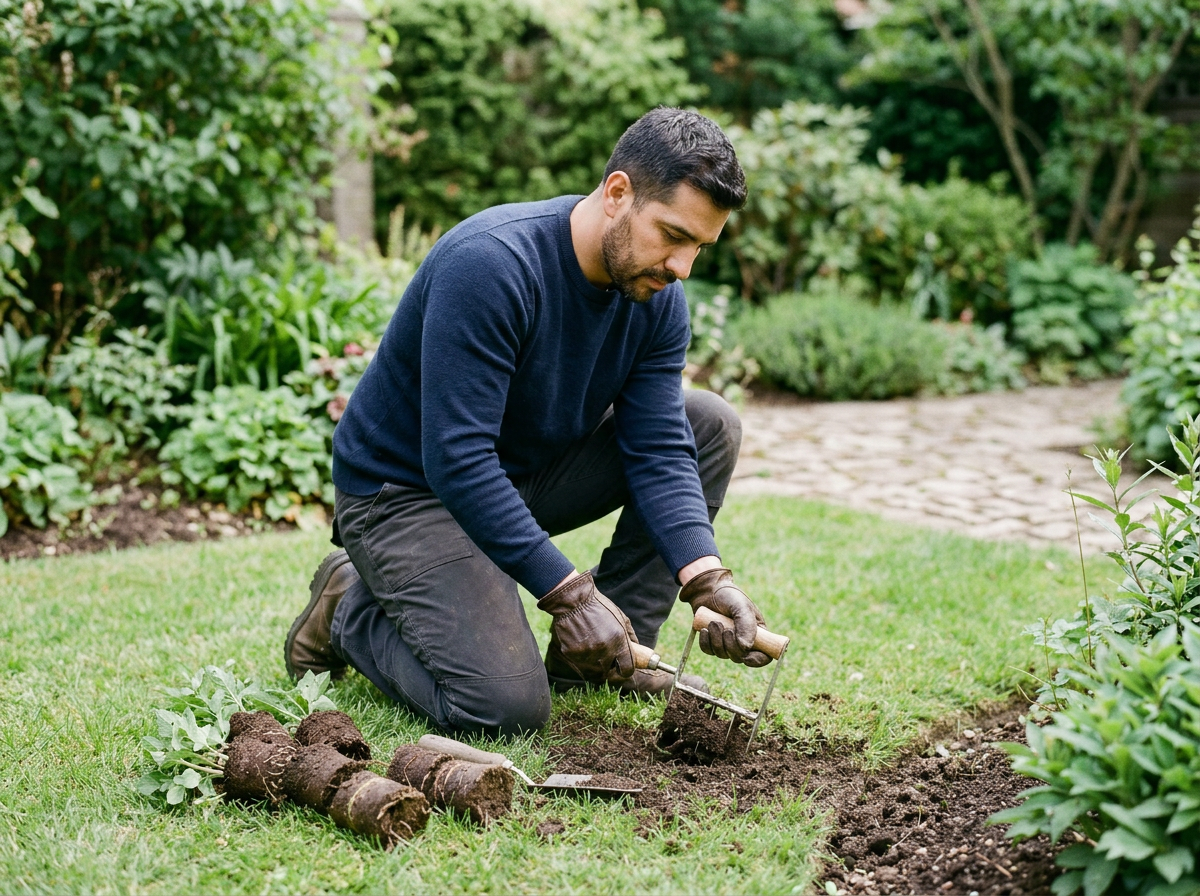
Aeration and Soil Health
Our aeration and soil health service relieves compacted soil by removing small cores, improving air, water, and nutrient movement to grassroots. This strengthens root systems, increases drought and disease resistance, and enhances fertilizer uptake for a thicker, greener lawn. We pair mechanical core aeration with targeted soil amendments—such as organic topdressings, compost, and balanced nutrients—tailored to soil tests and turf needs. Regular aeration schedules help maintain long-term soil structure, reduce thatch buildup, and promote sustainable lawn resilience. Services include pre-treatment assessment, core aeration, amendment application, and post-service care recommendations.
Our aeration and Soil Health services relieves soil compaction, improves oxygen and water movement, enhances root development, and increases the effectiveness of fertilizer and other inputs. The goal is a healthier, denser, more resilient turf tailored to each client's lawn conditions, soil type, and seasonal timing.Pre-service assessmentSite inspection: We walk the entire property to note turf species, existing thatch levels, visible compaction (high-traffic areas), drainage issues, slopes, recent reseeding or sod, and any underground utilities or irrigation heads that need protection.Soil evaluation: Where needed, we take quick soil texture and compaction checks. If clients request, we can perform a full lab soil test to determine pH and nutrient needs after aeration.Scheduling: Aeration timing is selected per turf type (cool-season vs. warm-season grasses), recent weather, and upcoming landscaping activities. We avoid aeration when the lawn is waterlogged or during extreme heat stress.
PreparationMowing: We cut the lawn to a recommended height—shorter than normal but not scalped—to allow tines to penetrate evenly. Clippings are removed if excessive.Watering guidance: If the soil is dry, we advise and/or apply light irrigation 12–24 hours before aeration to soften the soil for deeper core removal. If the soil is overly wet we reschedule.Marking and protection: We flag irrigation heads, invisible fences, delicate plantings, and newly seeded or sodded areas. We also notify clients about pets and children during service windows.
Aeration equipment and methodMachine choice: We primarily use commercial-grade, tractor-mounted or walk-behind core aerators with hollow tines for consistent, deep core extraction. Tine size and spacing are selected based on soil hardness and lawn condition (commonly 3/4" to 5/8" diameter tines, 2–3" spacing, and 2–4" depth).Hollow-core aeration: We remove plugs of soil (cores) thoroughly across the lawn in overlapping passes to ensure uniform coverage. Cores are typically 2–4 inches deep, adjusted for root zone depth and soil profile.Special circumstances:High-compaction or clay soils: We use narrower spacing, heavier machines, and may perform multiple passes in problem areas to achieve adequate alleviation.Slopes and tight areas: For steep grades, narrow beds, or around delicate features, we use lighter walk-behind units or manual aerators to maintain safety and precision.Small lawns: Portable core aerators or hand tools may be used to prevent over-driving equipment.
Coverage and pass patternsFull-property coverage: We aerate all turf areas unless otherwise requested. Heavy traffic zones, play areas, and sports lawns receive focused attention.Pass pattern: We make longitudinal passes followed by perpendicular passes in high-compaction zones to improve uniformity. Passes are overlapped slightly to avoid missed strips.Edge work: We hand-aerate tight edges and service around trees and shrubs as needed to protect root collars and landscape beds.
After core removalCore handling: We leave cores to break down naturally on the surface (recommended), which returns organic matter to the soil. If a client prefers clean-up, we offer removal and disposal.Topdressing and amendments: Based on soil test results and client goals, we can recommend applying topdressing material (sand, compost, or a sand/compost blend) immediately after aeration to fill holes, improve soil structure, and promote root contact. Typical topdressing depth is light—enough to move into the cores but not to bury crowns.Seeding: Aeration is an ideal time for over-seeding. We can apply seed after aeration so seed-to-soil contact is maximized—using seed rates tailored to turf type. We follow with a light rake or pass to ensure seed sits in the cores or holes.Fertilizer: A starter fertilizer, and any recommended amendments from soil testing, can be applied post-aeration to feed new and existing roots.
Post-service care and recommendationsFirst 24–48 hours: Avoid heavy traffic while the lawn settles. Water lightly if weather is dry to encourage seed germination and help cores break down.Ongoing watering: For over-seeded areas, we provide a watering schedule to keep seed moist until established. For non-seeded aeration, resume normal irrigation within 24–72 hours unless otherwise advised.Mowing: Wait until newly seeded grass reaches a mowable height (usually 3–4 inches for cool-season grasses) before the first mow after over-seeding. For routine aeration without seeding, resume normal mowing the next scheduled mowing once turf recovers.Follow-up services: We recommend
Our process
Get In Touch
If you're interested in working with us, complete the form with a few details about your project. We'll review your message and get back to you within 48 hours.